

India’s Most Student-Focused ACCA Coaching Institute
Book Free ACCA Counselling Session
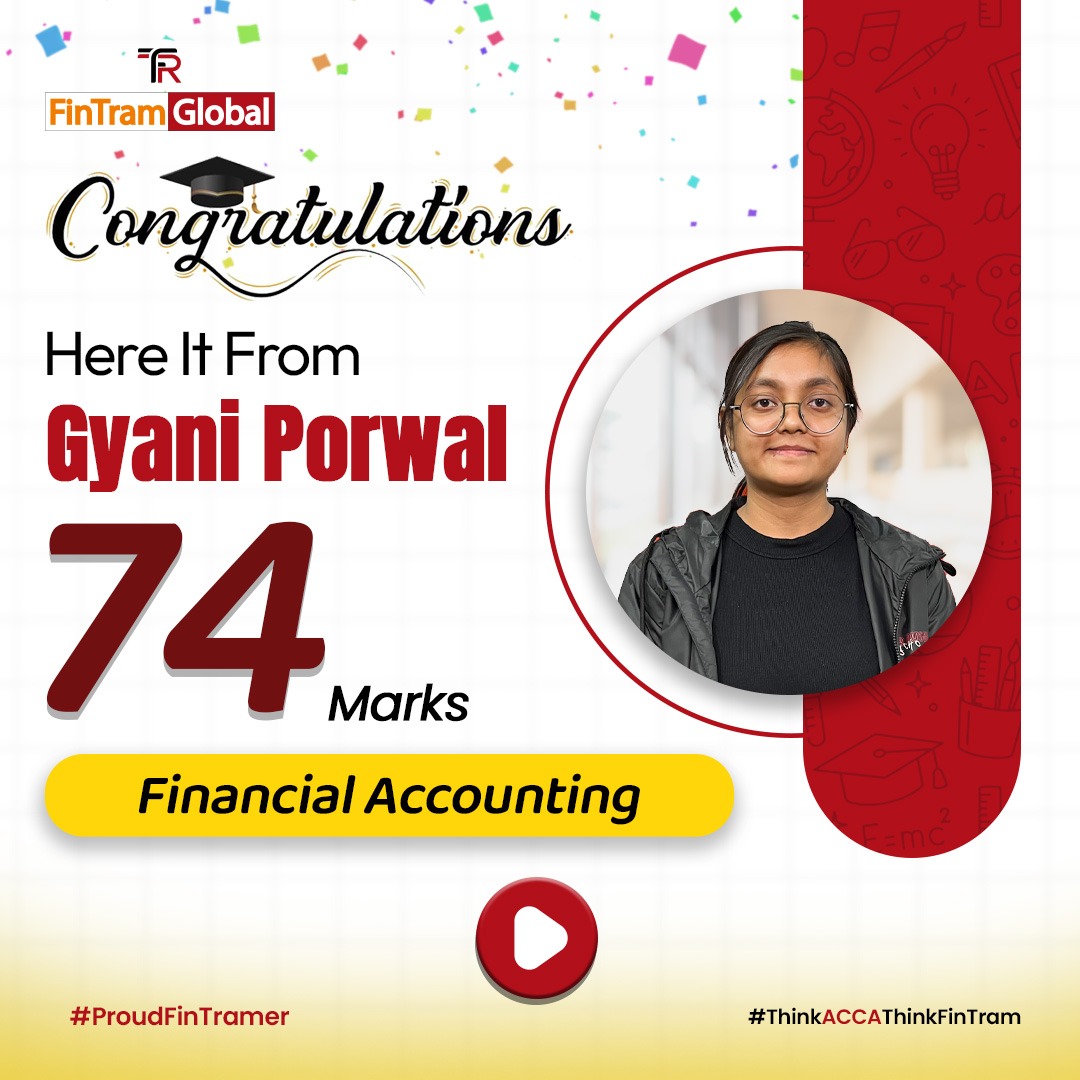
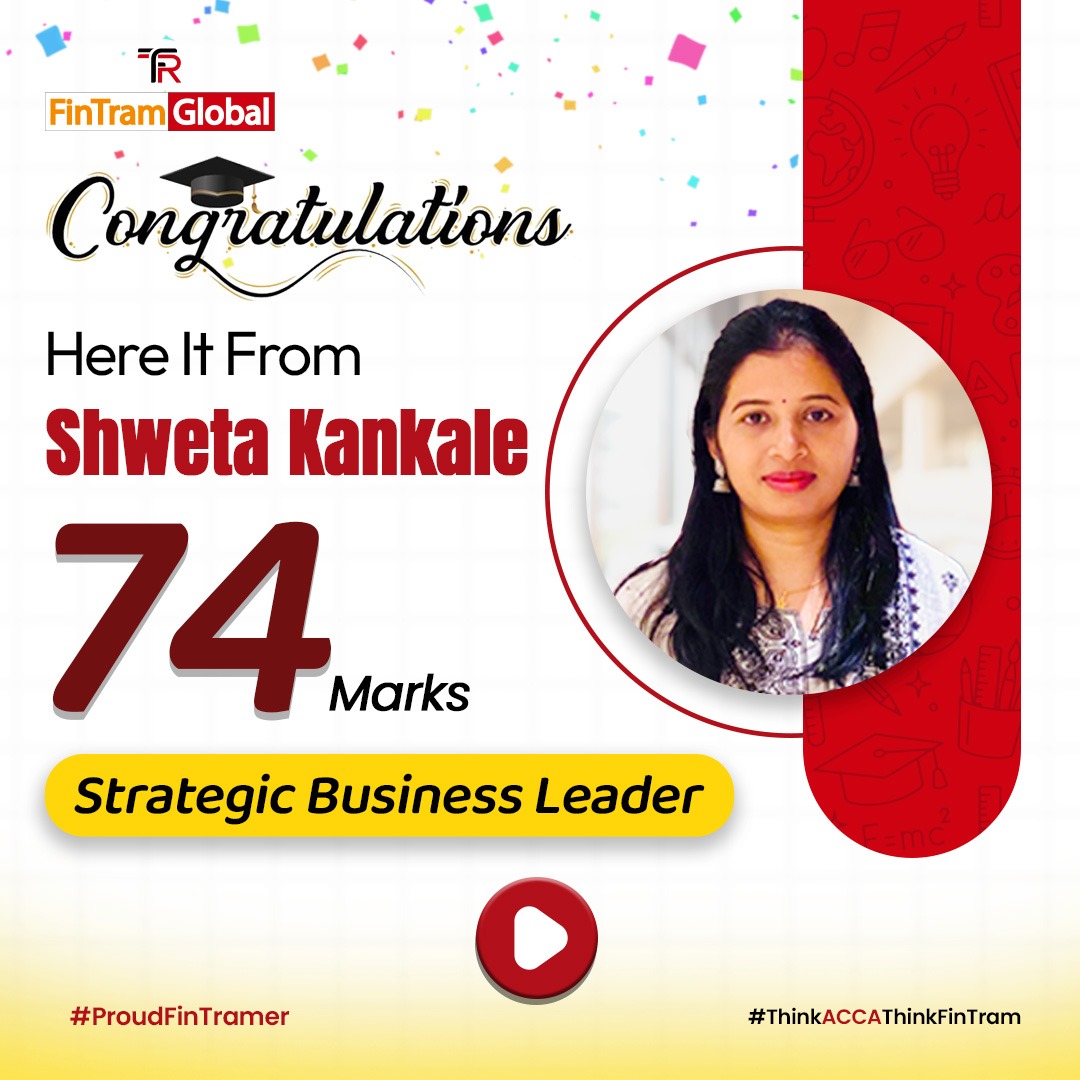
Our students come from different backgrounds, but they share one thing: A Clear ACCA Career Path





Next ACCA Batch Starting Soon
Limited seats • Personalised learning • Career-focused approach
ACCA Face-to-Face/Live Training Program
✔ Face-to-Face Classes in Delhi NCR
✔ Live Interactive Online Classes
✔ Self-paced/Hybrid Options Available
✔ Flexible Timings for Students & Professionals
✔ Exam-Focused & Mentorship-Driven
Not Sure If This Batch Is Right for You?
Batch timings, subjects, and study plans are finalised after understanding your background and ACCA eligibility.
Connect With an ACCA CounsellorUnique Features of Our ACCA Course

ACCA Program
Overview
Recognised in 180+ countries, ACCA is valued by Big 4 firms, MNCs, and Global accounting companies for its practical, industry-relevant curriculum.
ACCA is smart choice for those aiming for international finance careers.
Learn from Faculties who understand ACCA Exams
Our faculties are:
✔ ACCA/CA/Industry professionals
✔ Known for concepts & exam-pattern experts
✔ Student-friendly educators
✔ Focused on clearing exams – not just teaching
Academic Support Includes:
✔ Dedicate academic coordinators
✔ Doubt-solving sessions
✔ Revision workshops
✔ Exam strategy sessions








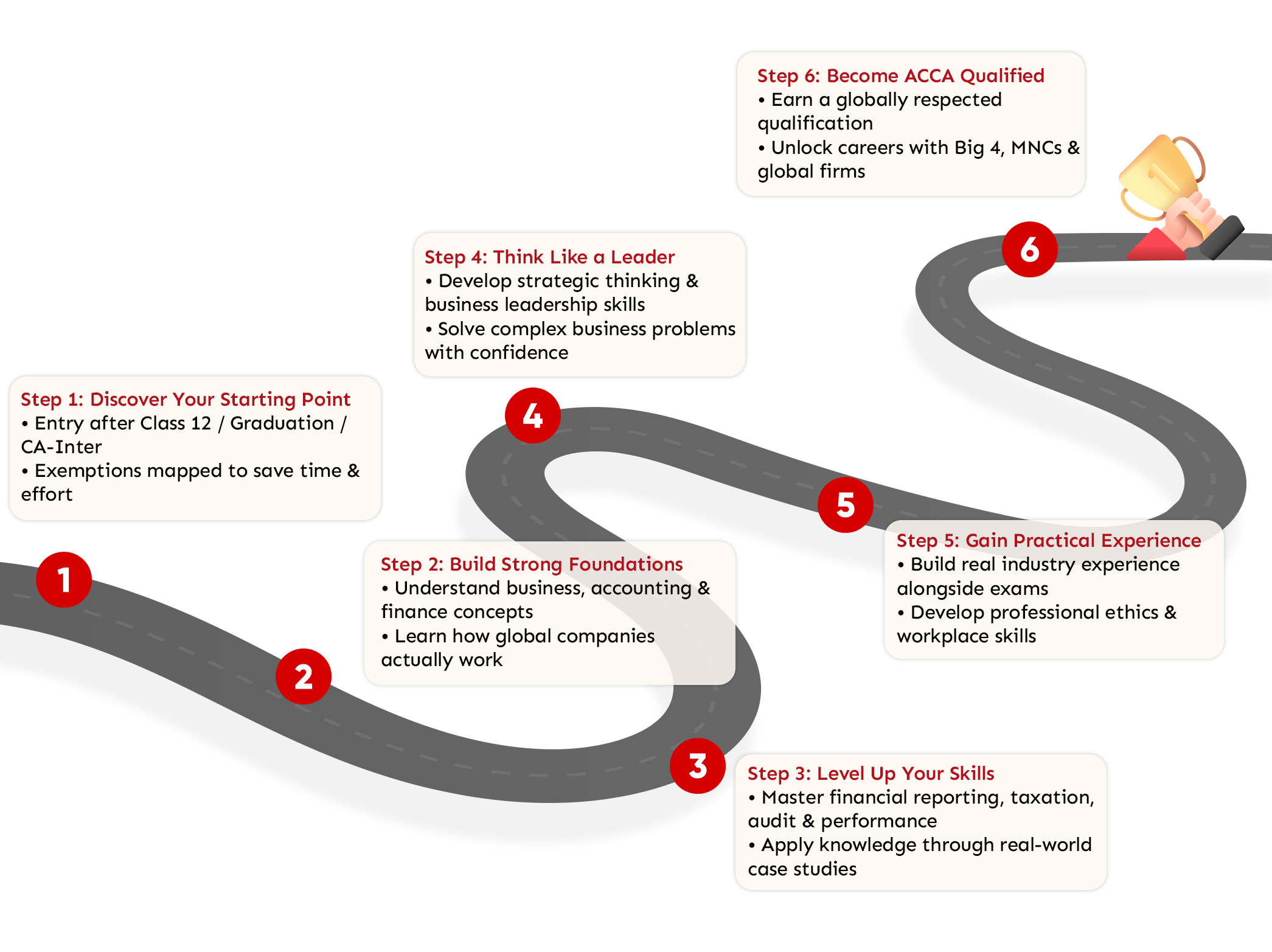
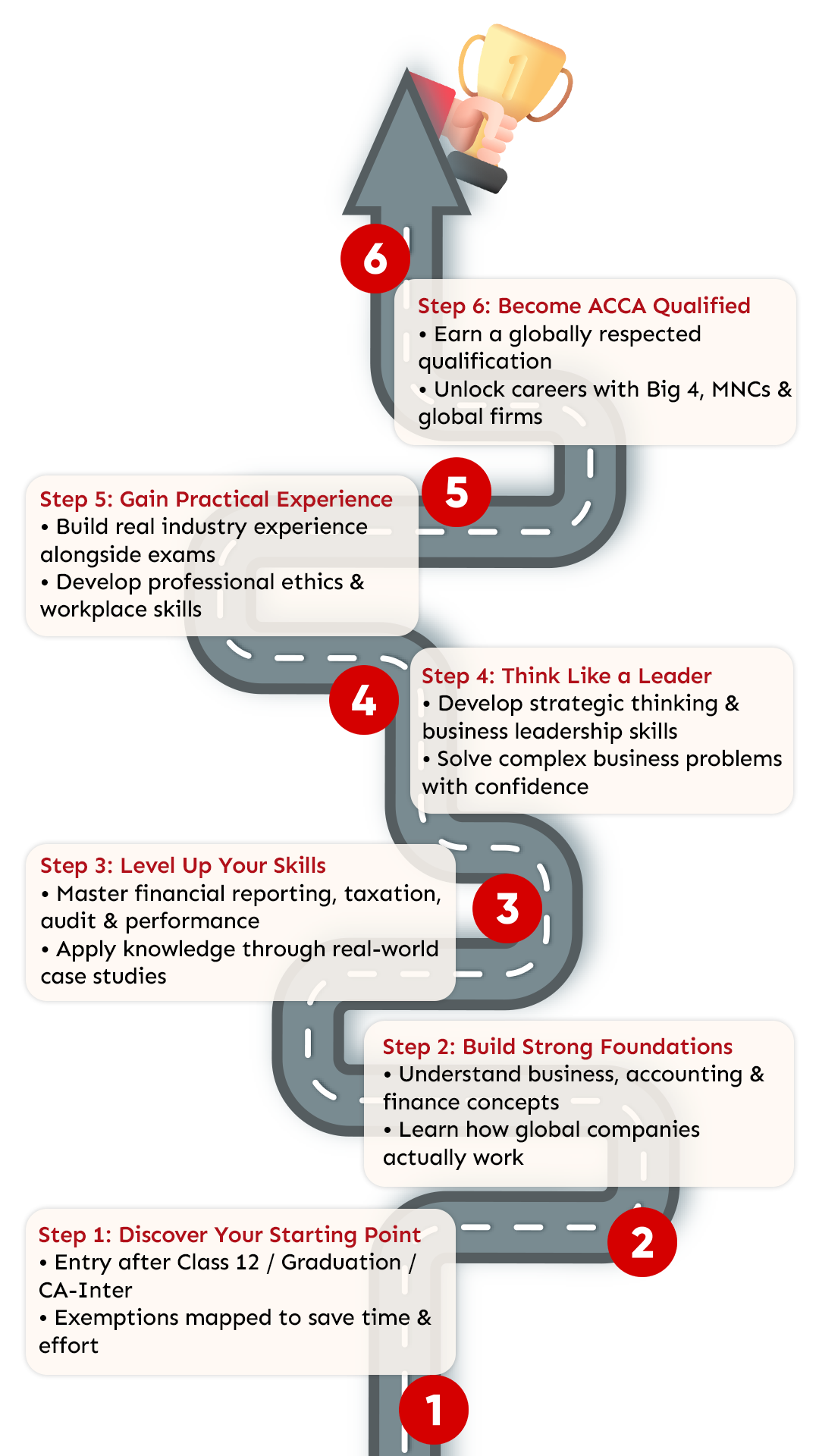
ACCA Eligibility
ACCA is open to students from multiple academic backgrounds
You can start ACCA if you are:
- 🎓 Class 12 (Commerce) student or pass-out
- 📘 Graduate / Postgraduate (B.Com, BBA, M.Com, MBA)
- 🧾 CA-Inter student (eligible for exemptions)
- 💼 Working Professional looking to upskill or switch careers
What makes ACCA accessible?
- ✔ No entrance exam required
- ✔ Exemptions available based on qualifications
- ✔ Flexible study alongside college or job
📊 ACCA Exemptions – Corrected & Reliable Breakdown
ACCA exemptions are granted by ACCA (UK) after evaluating your academic background. Final exemptions are confirmed only after official ACCA assessment.
🎓 Class 12 (Commerce)
- Exemptions: None
- Papers to Attempt: 13 papers
- Complete ACCA journey from foundation level
📘 B.Com / BBA Graduates
- Exemptions: Up to 5 papers
- Generally from Applied Knowledge level
- Papers Remaining: 7–9 papers
- Depends on university & curriculum
🎓 M.Com / MBA (Finance)
- Exemptions: Up to 9 papers
- Papers Remaining: 4 papers
- Subject alignment plays a key role
🧾 CA-Inter Qualified
- Exemptions: Up to 5–6 papers
- Papers Remaining: 7–8 papers
- One of the fastest ACCA routes
- Depends on ACCA mapping
💼 Working Professionals
- Exemptions based on academic qualification only
- Work experience does NOT give paper exemptions
- Experience helps with PER completion
ACCA Curriculum Explained Simply
- The business organisation and its external environment
- Organisational structure, culture, governance and sustainability
- Business functions, regulation and technology
- Leadership and management
- Personal effectiveness and communication in business
- Professional ethics
- The nature, source and purpose of management information
- Data analysis and statistical techniques
- Cost accounting techniques
- Budgeting
- Standard Costing
- Performance Measurement
- The context and purpose of financial reporting
- Accounting principles, concepts and qualitative characteristics
- The use of double-entry bookkeeping and accounting systems
- Recording transactions and events
- Reconciliations
- Preparing a trial balance
- Preparing financial statements
- Preparing basic consolidated financial statements
- Interpretation of financial statements
- Essential elements of legal systems
- International business transactions
- Transportation and payment of International business transactions
- The formation and constitution of business organisations
- Capital and the financing of companies
- Management, administration and the regulation of companies
- Insolvency law
- Management Information systems and data analytics
- Specialist cost and management accounting techniques
- Decision-making techniques
- Budgeting and control
- Performance measurement and control
- Employability and technology skills
- The UK tax system and its administration
- Income tax and NIC liabilities
- Chargeable gains for individuals
- Inheritance tax
- Corporation tax liabilities
- Value added tax (VAT)
- Employability and technology skills
- The conceptual and regulatory framework for financial reporting
- Accounting for transactions in financial statements
- Analysing and interpreting the financial statements of single entities and groups
- Preparation of financial statements
- Employability and technology skills
- Audit framework and regulation
- Planning and risk assessment
- Internal control
- Audit evidence
- Employability and technology skills
- Financial management function
- Financial management environment
- Working capital management
- Investment appraisal
- Business finance
- Business valuations
- Risk management
- Employability and technology skills
- Fundamental ethical and professional principles
- The financial reporting framework
- Reporting the financial performance of a range of entities
- Financial statements of groups of entities
- Interpret financial and non-financial information for different stakeholders
- The impact of changes and potential changes in accounting regulation
- Employability and technology skills
- Leadership
- Governance
- Strategy
- Risk
- Technology and data analytics
- Organisational control and audit
- Finance in planning and decision-making
- Enabling success and change management
- Professional skills
- Other employability and digital skills
- Knowledge and understanding of the UK Tax system through the study of more advanced topics within taxes studied previously and the study of stamp taxes
- The impact of relevant taxes on various situations and courses of action, including the interaction of taxes
- Minimising and/or deferring tax liabilities by the use of standard tax planning measures
- Professional skills
- Employability and technology skills
- Strategic Planning and Control
- Performance Management Information Systems and Developments in Technology
- Strategic Performance Measurement
- Performance Evaluation
- Professional skills
- Employability and technology skills
- Role of senior financial adviser in the multinational organisation
- Advanced Investment appraisal
- Acquisitions and mergers
- Corporate reconstruction and re-organisation
- Treasury and advanced risk management techniques
- Professional skills
- Employability and technology skills
- Regulatory Environment
- Professional and Ethical Considerations
- Quality management and practice management
- Planning and conducting an audit of historical financial information
- Completion, review and reporting
- Other assignments
- Current Issues and Developments
- Professional skills
- Employability and technology skills
ACCA Career Opportunities Across Industries
ACCA prepares you for in-demand finance and accounting roles across industries.
ACCA professionals work as:
• Financial Analysts
• Auditors
• Tax Consultants
• Management Accountants
• Financial Controllers
• Business Finance Partners
With global recognition in 180+ countries, ACCA opens opportunities in corporates, consulting firms, Big 4s, and multinational companies, supporting long-term career growth and global mobility.
Trusted by leading employers worldwide.























Real Stories, Real Growth: ACCA Student Journeys
Frequently Asked Questions
What is ACCA course?
ACCA is a globally recognised professional course in accounting, finance, audit, and management.
ACCA eligibility after 12th commerce?
Yes. Students can start ACCA after Class 12 (Commerce) with no entrance exam.
Is ACCA better than CA?
ACCA and CA serve different career goals. ACCA offers global recognition and flexibility, while CA focuses mainly on India.
How many papers are there in ACCA?
ACCA has 13 papers, but eligible students can get exemptions.
How many exemptions can I get in ACCA?
Exemptions depend on qualification, university, and subjects studied. Final approval is given by ACCA (UK).
What is the duration of ACCA course?
ACCA can be completed in 2–3 years, depending on exemptions and exam attempts.
Is ACCA valid in India?
Yes. ACCA is recognised and valued by Indian companies and MNCs.
What jobs can I get after ACCA?
ACCA professionals work as Auditors, Financial Analysts, Tax Consultants, and Management Accountants.
What is the salary after ACCA in India?
ACCA salaries vary by role and experience. Entry-level roles typically start competitively and grow with experience.
Can I do ACCA along with graduation or job?
Yes. ACCA is flexible and can be pursued alongside college or employment.